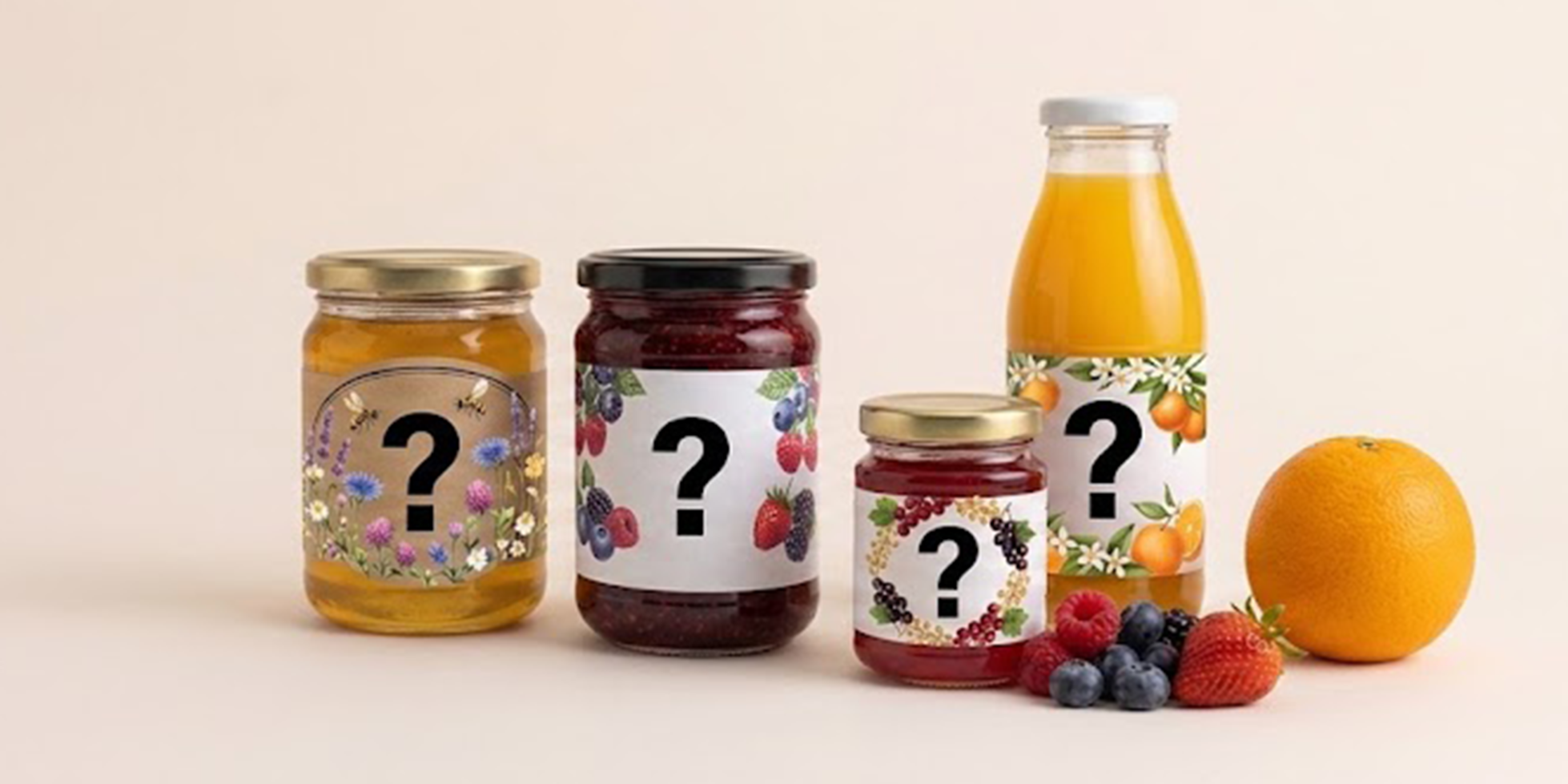
New EU rules under the so-called Breakfast Directives, which began to apply in Sweden on 14 June 2026 for honey, jam, marmalade, jelly and juice, bring changes for many food producers. These changes go beyond recipes and ingredients. Labels, packaging artwork and product information may also need updating. The rules aim to give consumers clearer information, improve transparency about the origin of raw materials and combat food fraud.
For food businesses, now is the time to review existing products and labels. In some cases, a small wording change may be enough. In others, the product name, formulation or packaging design may need to be revised.
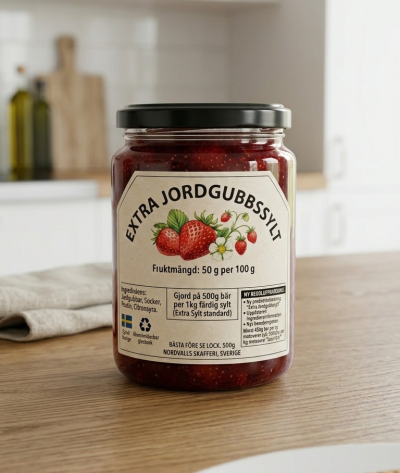
Higher minimum fruit content for jam
The minimum fruit content for jam increases from 350 to 450 grams per kilogram of finished product, equivalent to 45 grams per 100 grams. For extra jam, the minimum increases from 450 to 500 grams per kilogram. This means that a product previously sold as strawberry jam, for example, can no longer automatically use that name unless it meets the new definition.
For jam producers, the rules may mean:
✓ A new product name on the front label
✓ Updated wording on the back label
✓ Changes to ingredient and product information
✓ Updated translations for export markets
✓ Updated product images across digital channels and e-commerce platforms
The Swedish Food Agency’s new regulations also require the fruit content to be stated as “fruit content: … g per 100 g” and placed in the same field of vision as the product name. This makes the positioning of this information an important consideration when preparing label artwork.
How to label the origin of honey
Origin labelling for honey is becoming significantly more detailed. If the honey comes from several countries, the countries of origin must be listed on the label in descending order by weight, together with the percentage each country represents. This information must appear in the principal field of vision. Specific rules also apply to how origin information must be presented for blends.
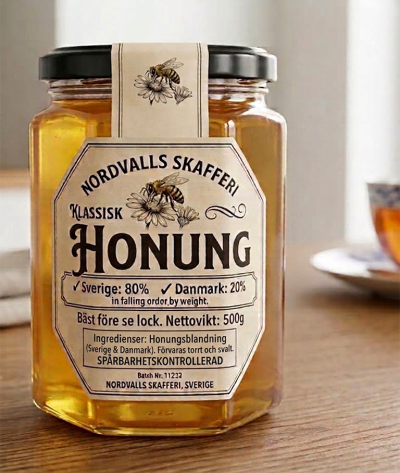
This means that companies using honey blends need to ensure that the information on the label matches the current raw material and traceability information.
For those responsible for labelling, this means checking:
✓ The product’s origin statement
✓ The percentage from each country of origin
✓ Placement in the principal field of vision
✓ That the label has enough space for the information
✓ That changes in the origin of raw materials can be accommodated in future label versions
It may therefore be wise to review the label layout as well as update the text.
New rules for juice – how product names and labels are affected
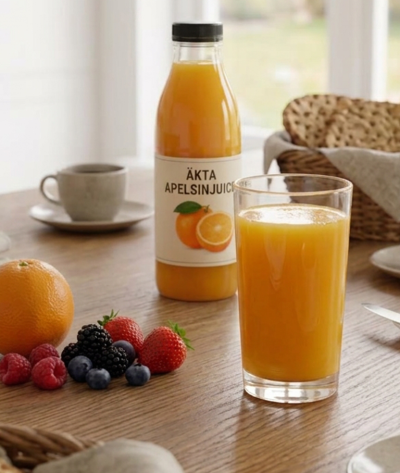
The rules for fruit juice and fruit nectar have also changed. Three new categories of fruit juice are being introduced:
✓ Reduced-sugar fruit juice
✓ Reduced-sugar fruit juice from concentrate
✓ Concentrated reduced-sugar fruit juice
New labelling rules have also been introduced. It will also be possible to use the statement “contains only naturally occurring sugars” for fruit juice, provided the conditions for using the claim are met.
For companies launching or reformulating juice products, this means reviewing both product names and marketing messages. It is important to distinguish between a mandatory labelling requirement and a voluntary claim. Any new claim on the label must be substantiated and must not mislead consumers.
New rules for marmalade – what needs to change on the label?
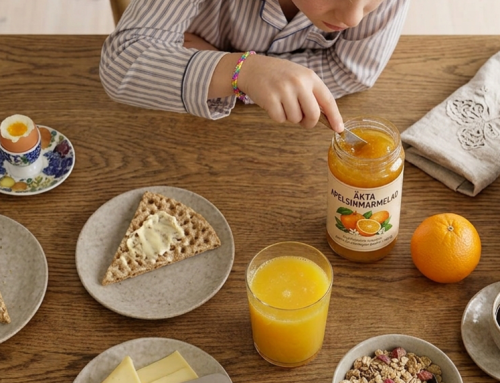
Marmalade is also covered by the new rules. Previously, the use of the term “marmalade” was restricted to citrus fruits. The new rules allow other fruits to be included in the product name, for example orange marmalade, while also changing the requirements for fruit content and fruit ingredients.
For producers, this provides another reason to review product names and existing label artwork.
Checklist: How to update your label in line with the Breakfast Directive
The Breakfast Directive primarily changes the rules governing the products themselves, but the effects are often visible on the packaging. We therefore recommend that affected businesses carry out a structured label review, SKU by SKU.
1. Kontrollera produktens beteckning
Får produkten fortfarande heta sylt, marmelad, gelé eller juice? Om inte behöver produktnamn och produktinformation uppdateras.
4. Se över etikettens grafiska yta
Nya obligatoriska uppgifter kan kräva mer utrymme och påverka layout, typografi, informationshierarki samt fram- och baksida.
2. Kontrollera innehåll och råvarumängder
Säkerställ att receptet uppfyller de nya gränsvärdena. Ändras receptet behöver även etiketten ses över.
5. Uppdatera alla versioner
Se över olika språk, storlekar, marknader och förpackningsformat – samt produktbilder, e-handel och digital produktinformation.
3 Kontrollera var den obligatoriska informationen ska placeras
Vissa uppgifter ska placeras på särskilda platser eller i samma synfält som produktbeteckningen.
6. Planera övergången till nya etiketter
Äldre märkta produkter kan i vissa fall säljas slut. Planera därför när gamla etiketter fasas ut och nya börjar produceras.
Behöver dina etiketter uppdateras?
Förändringar i livsmedelslagstiftningen kan snabbt få praktiska konsekvenser för förpackningen. En ändrad produktbeteckning kan innebära ett nytt original. En förändrad ursprungsuppgift kan kräva en ny layout. Och en liten textändring kan påverka hela etikettens informationshierarki. Därför är det bra att involvera etikettleverantören tidigt när en produkt ska uppdateras.
På Nordvalls hjälper vi våra kunder att ta fram etikettlösningar för livsmedel där både funktion, tydlig information och design behöver fungera tillsammans. Naturligtvis är Nordvalls samtliga produktionsenheter i Sverige livsmedelscertifierade enligt FSSC 22000.
Kontakta Nordvalls så hjälper vi dig att se över vilka förändringar som kan behöva göras i etikettlösningen för att leva upp till frukostdirektivet.
Hör av dig till oss på kontakt@nordvalls.se
Källor
Livsmedelsverket:
LIVSFS 2025:3 – Honung och bagerihonung
LIVSFS 2025:4 – Fruktjuice och fruktnektar
LIVSFS 2025:6 – Sylt, gelé och marmelad
Europeiska unionens direktiv (EU) 2024/1438 om ändringar av reglerna för honung, fruktjuice, sylt, gelé, marmelad och vissa mjölkprodukter.
Corrigendum till direktiv (EU) 2024/1438
Bildinformation:
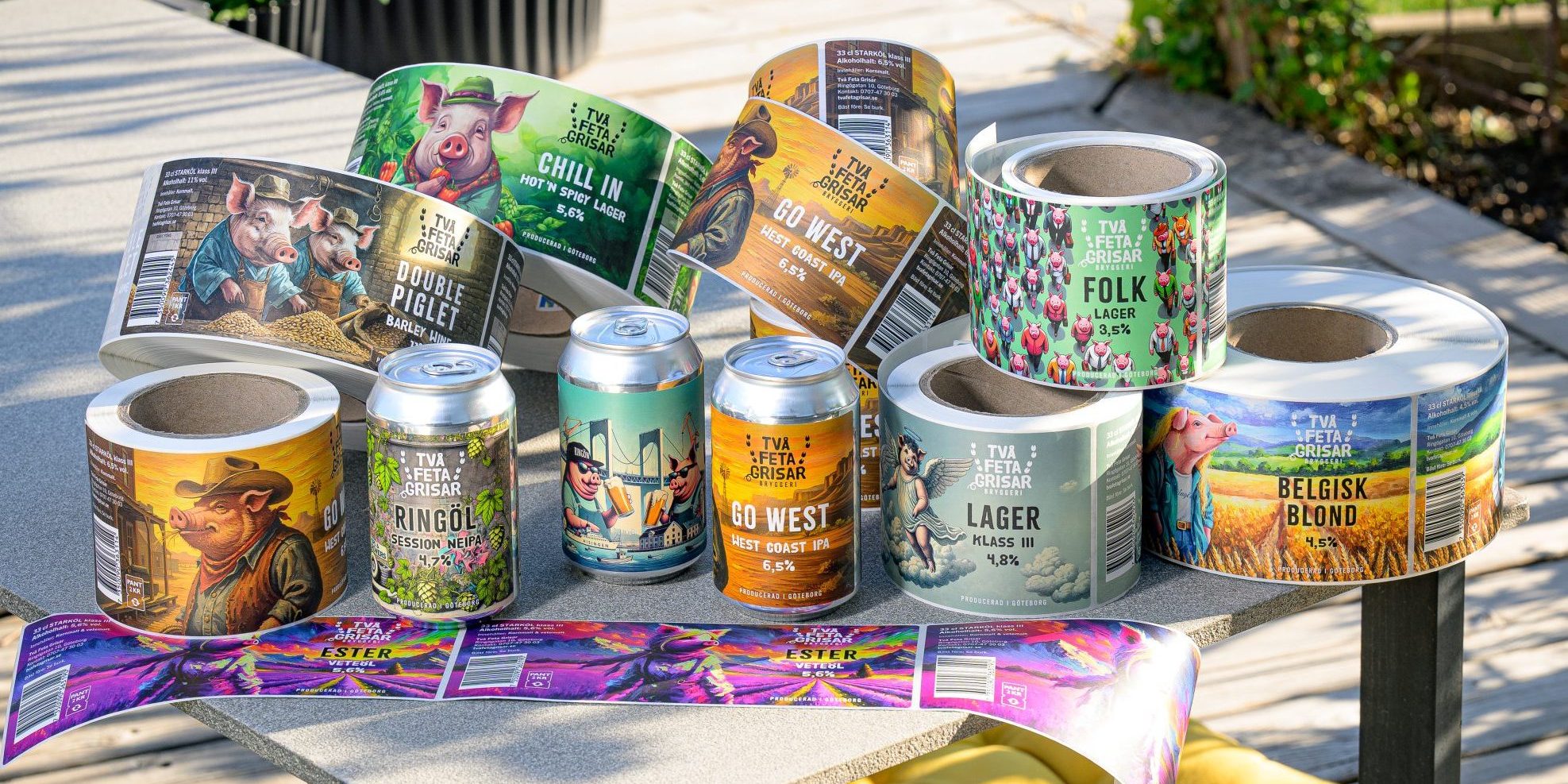
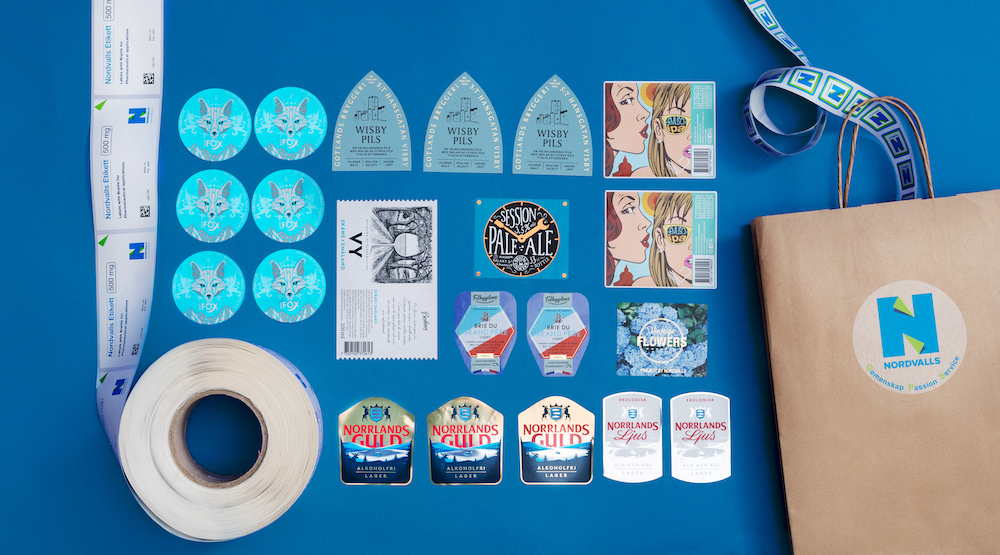
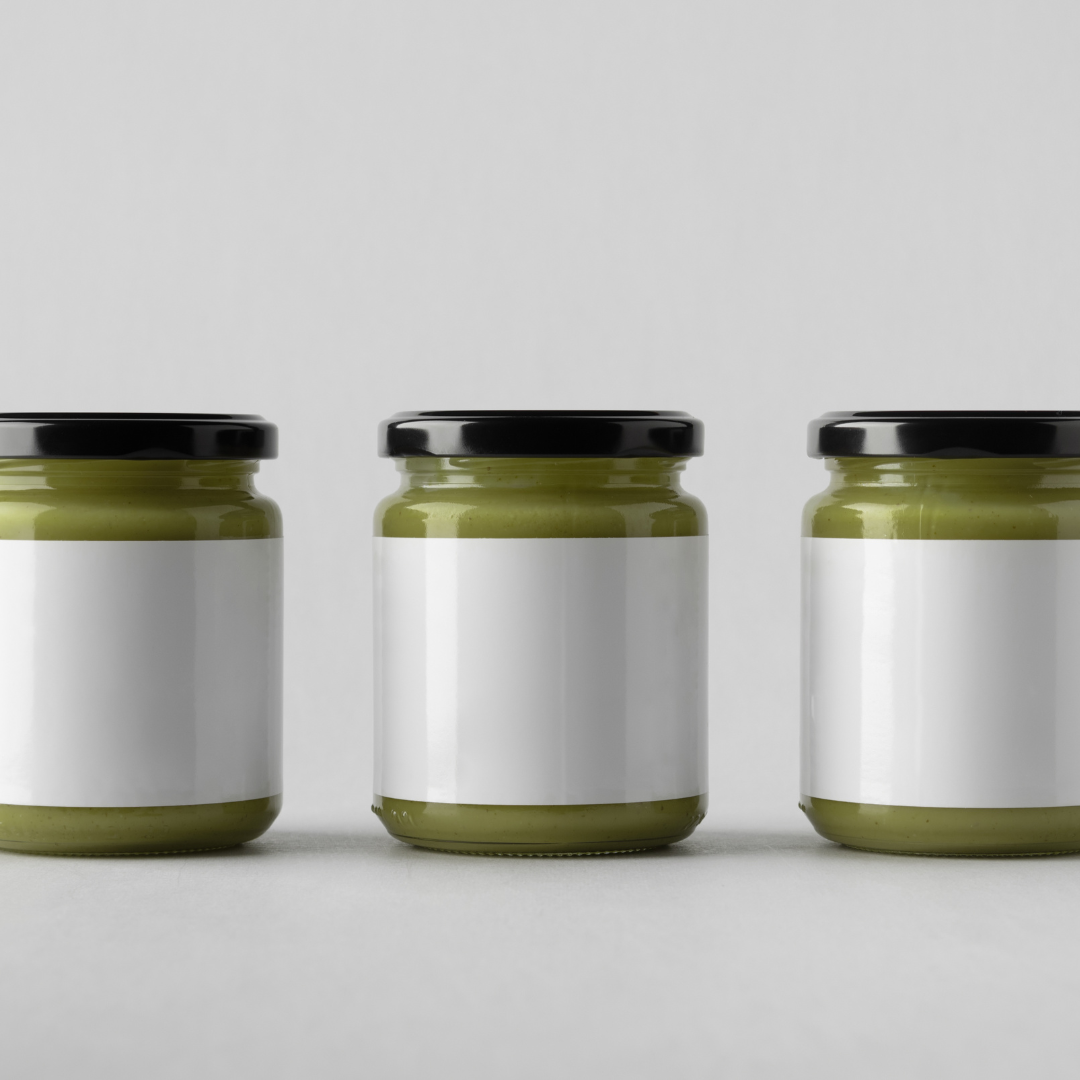
Bilderna i denna artikel är AI-genererade och används som illustrativa bilder.