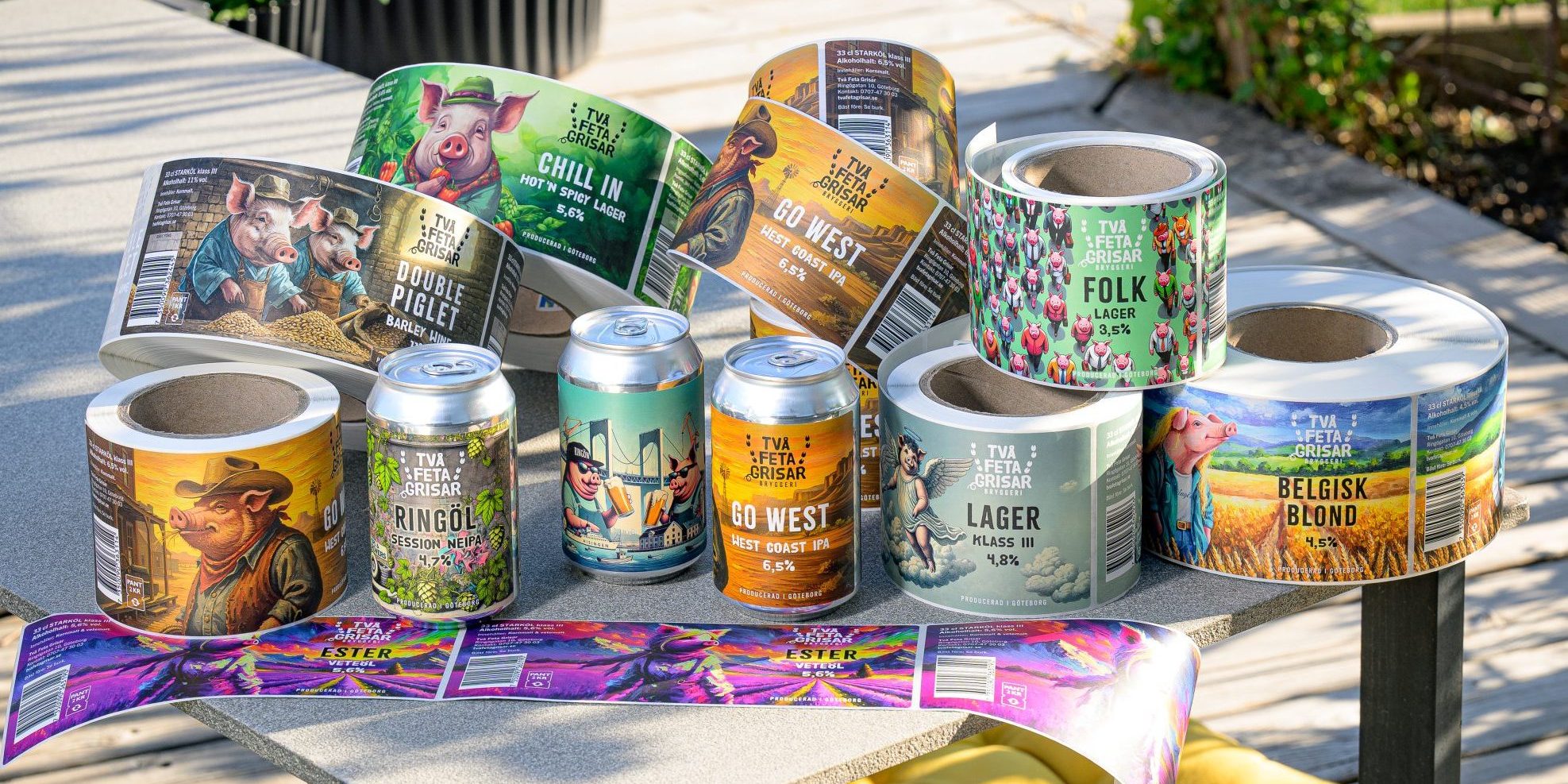
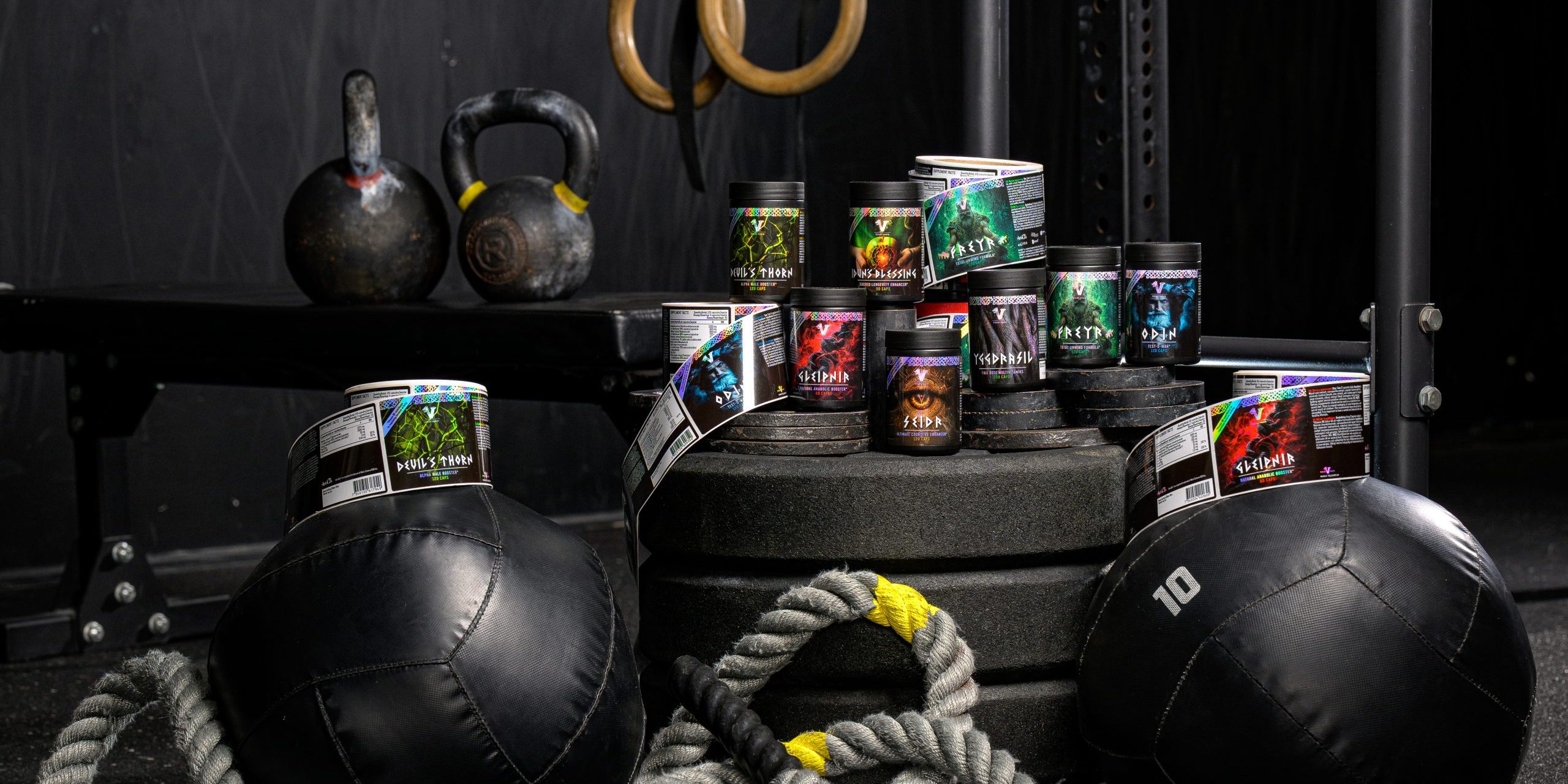
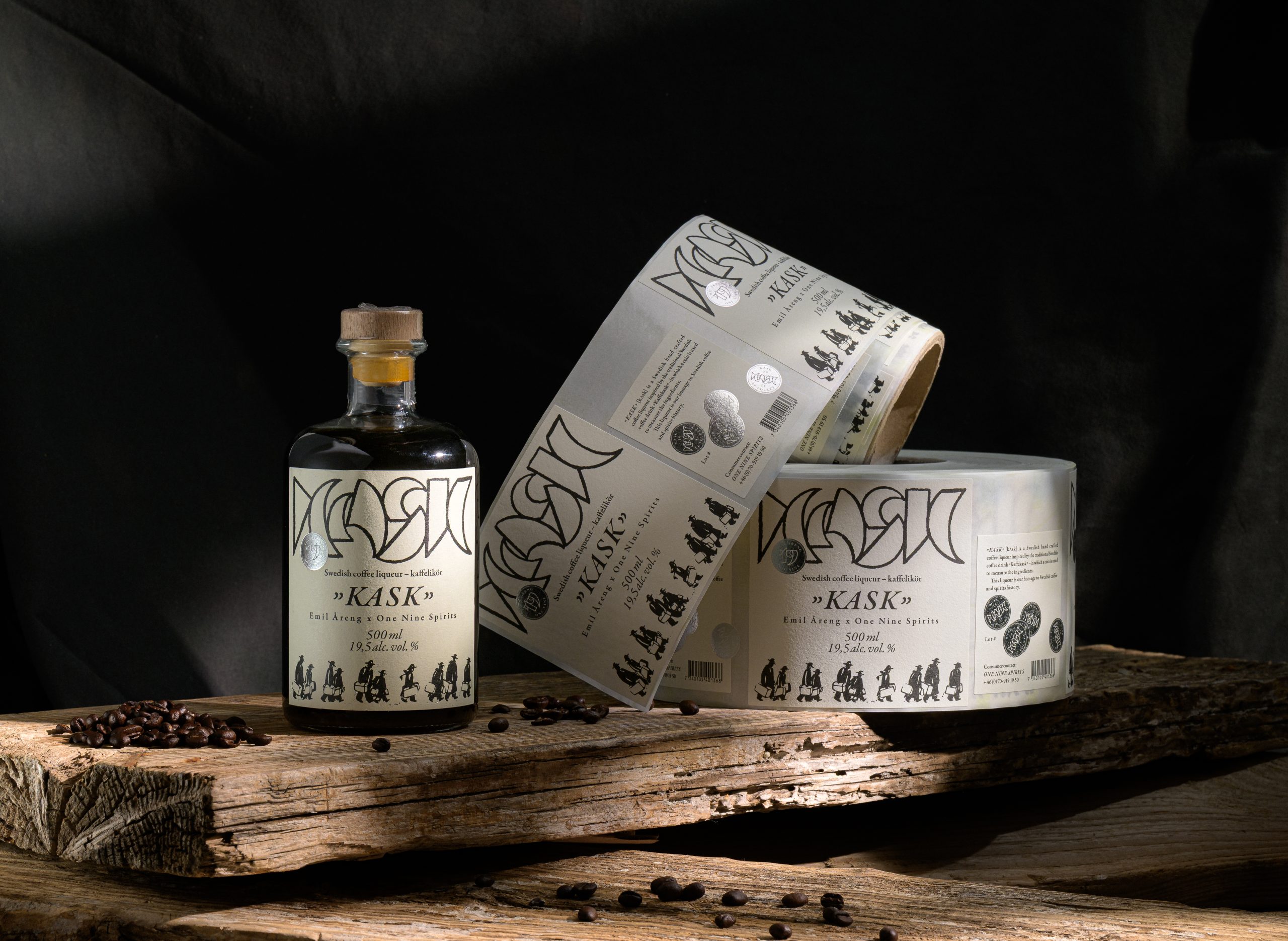
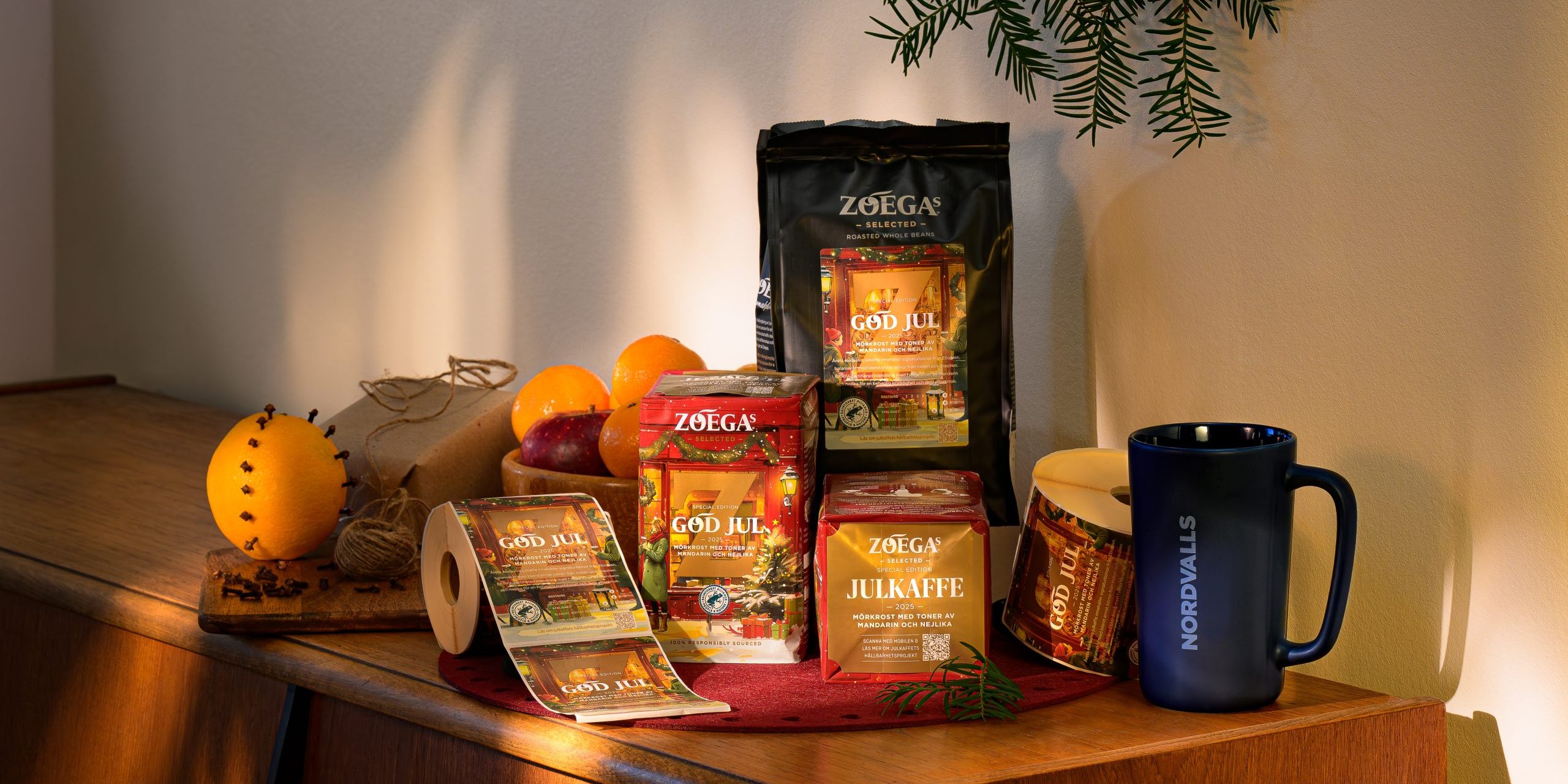
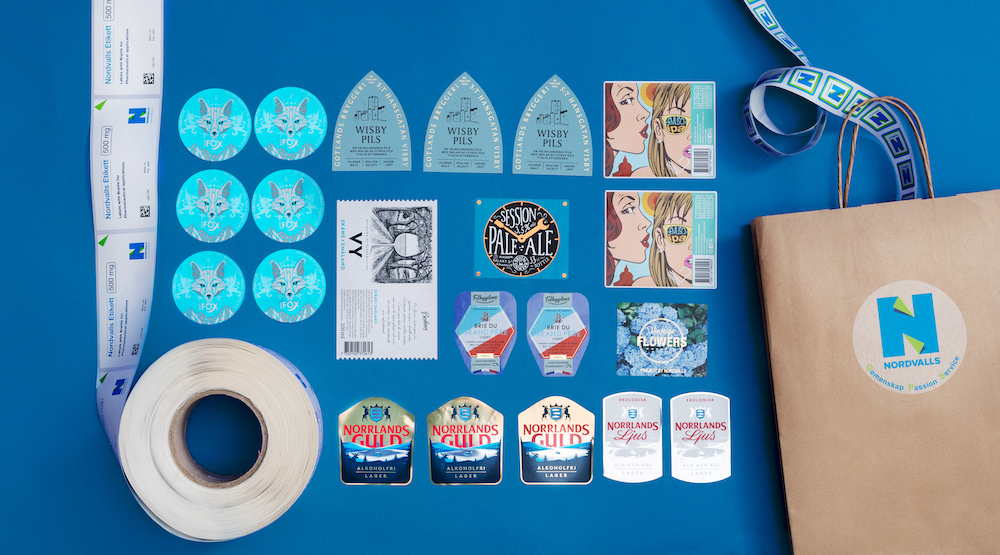
Digitally printed labels are produced in a printing press that resembles a huge, advanced printer. Digital printing has long been ideal for short runs, but as the technology continues to evolve, so do its possibilities. What other benefits does digital printing offer? Here are three key advantages!
1. No die-cuts needed
With digital printing, the time from order to delivery is short. Unlike traditional printing methods, there is no need to produce custom printing tools such as die-cuts. Instead, all the information about your label is stored in a digital file. When it’s time to print, the data and your approved proof are transferred to the printing press, which produces the label according to the specifications.
2. Endless variation
Text, images, graphics or even entire layouts can be varied from one label to the next without stopping the press. A marketer’s dream!
Different language versions
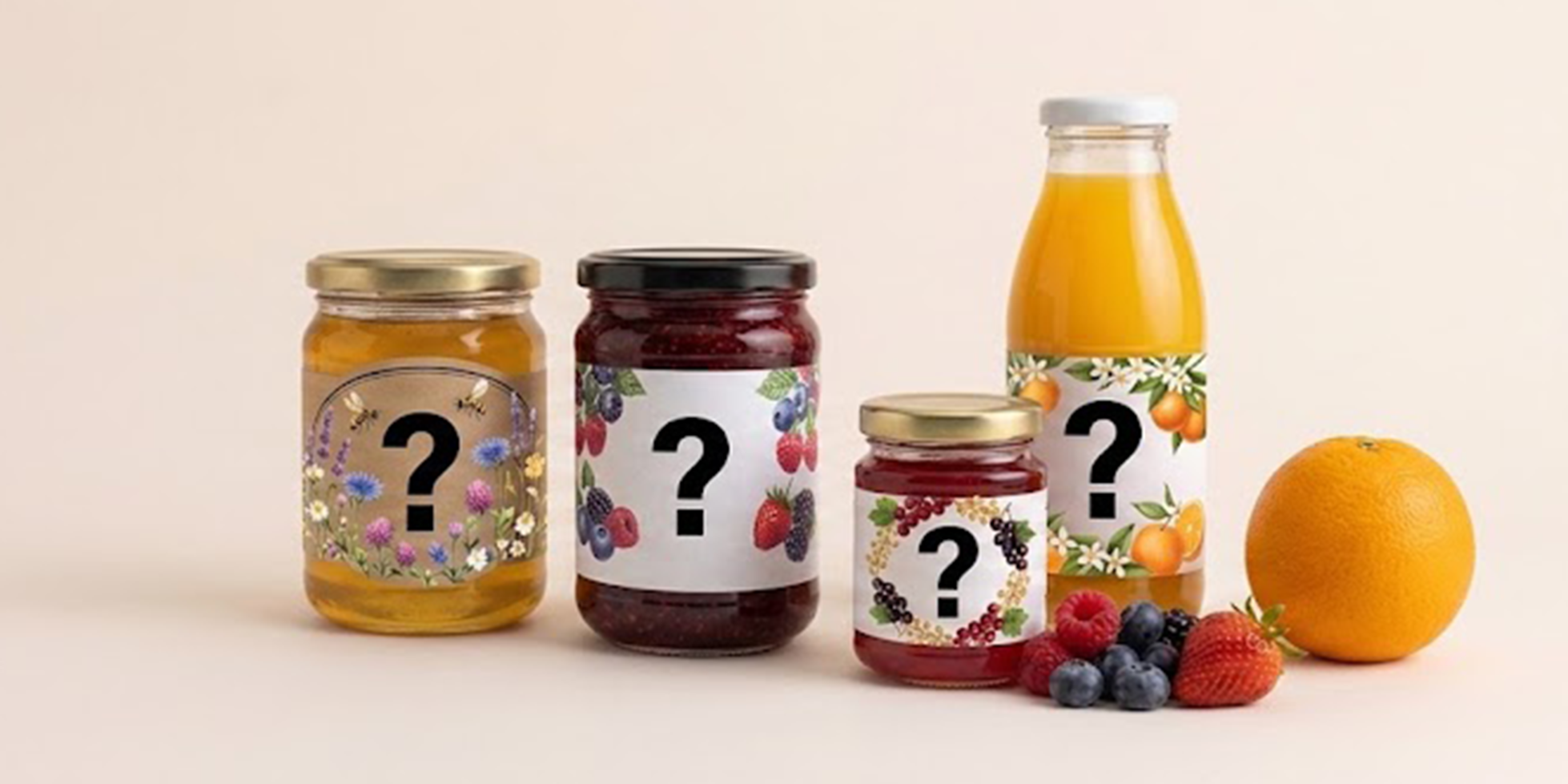
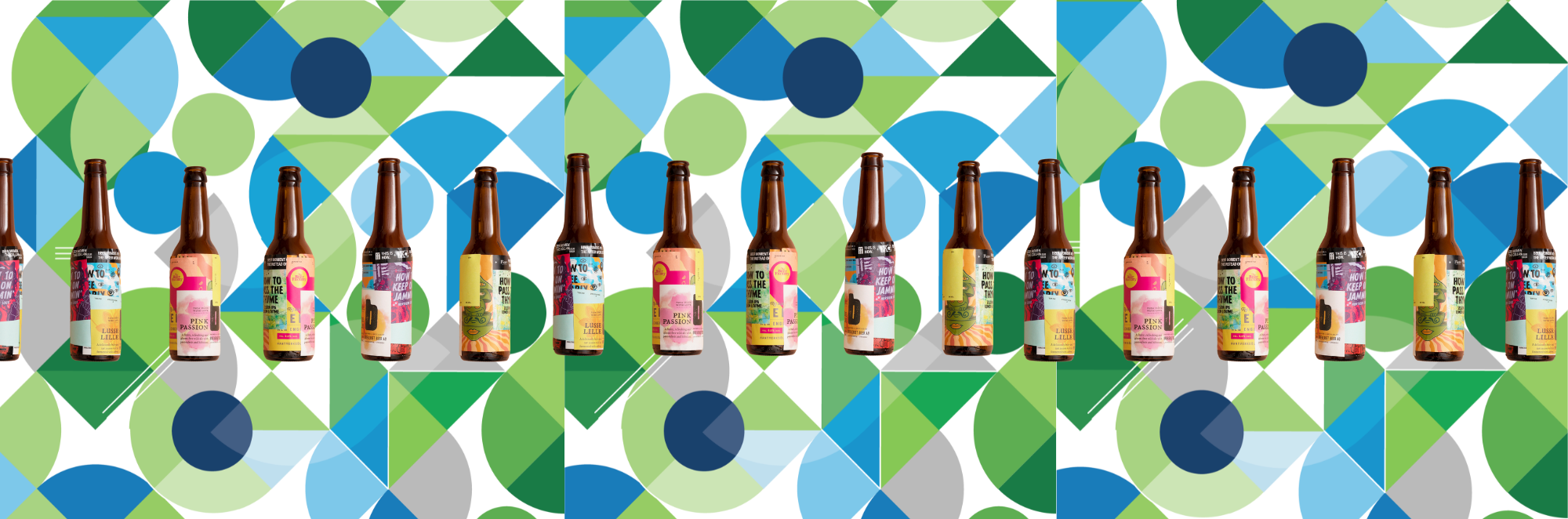
Sometimes, the same label needs to be available in several languages. A traditional solution is to use multi-layer labels with up to seven printable pages. However, variable data printing allows you to adapt your messaging and language to different markets. The image above shows how we can print the same label in multiple language versions in a single print run.
Endless Possibilities for Unique Labels
Advanced software, SmartStream Designer, is fed information about which elements and details the print should contain. Combined with HP’s digital printing presses, the software makes it possible to produce labels that are completely or partially different from one another within the same print run. This opens up endless opportunities for creativity and playful design!
Stand out
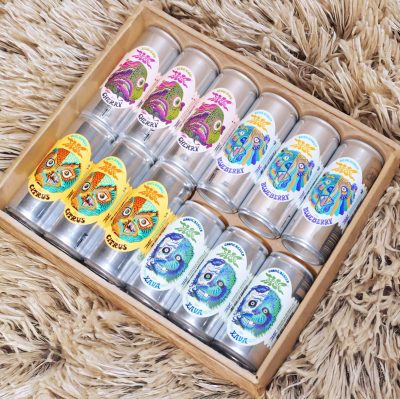
We often use the term variable data printing as an overall term for printing jobs where the content varies, but it can be used in many different ways. Some brands use variable data printing for limited-time marketing campaigns, for example by adding common Swedish first names to labels to create demand and engage their target audience.
Others incorporate variable data printing into their regular designs, adding subtle variations. TwoFace Brew, a Nordvalls customer, has taken its label design to the next level with eyes that vary from label to label or look in different directions. A small but impactful difference!
“When it comes to variable data printing, we believe that as a small player, it’s important to explore all the possibilities available in each production run to add value to the product. If even just one person notices what we’ve done, appreciates it and tells a friend about it, that’s a win,” says Björn Atldax, designer at TwoFace.
3. Last-Minute Adjustments
Since all label information is stored in a digital file rather than on a physical printing tool, design changes can be made right up until production begins, whether they involve minor tweaks or major adjustments.